About this report
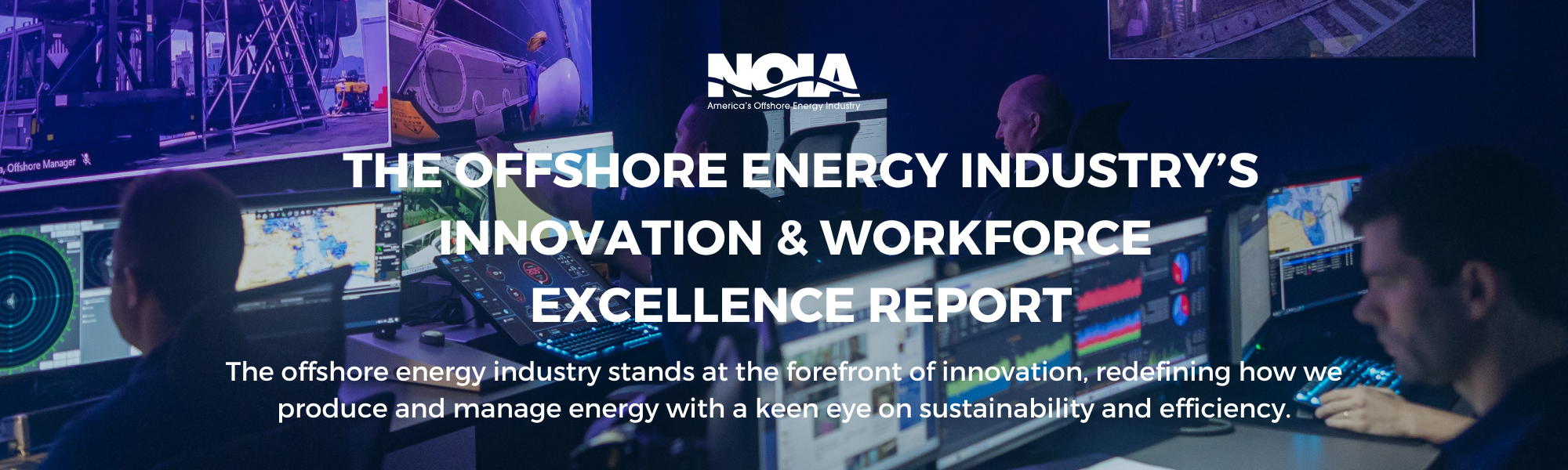
Each year, NOIA’s Innovation & Workforce Excellence Report captures the offshore energy industry at its best — showcasing the technologies, programs, and partnerships that are shaping the future of American energy. The 2026 edition features case studies from NOIA member companies, a guest perspective on ESG as risk management, highlights from the annual Offshore CCS Symposium, and new sections on cybersecurity and physical asset security. Download the full report to explore how the industry is leading on innovation, workforce, and responsible operations.
Message from the President
What stands out in this year’s report is the depth of our industry’s commitment — to its workers, to the communities where it operates, and to the environment. From AI-assisted decommissioning to biodiversity monitoring to workforce programs designed for the next generation, NOIA members are proving that innovation and responsibility go hand in hand.
Erik Milito
President, National Ocean Industries Association
Key themes in this year’s report
|
Breakthrough innovation Fugro’s eDNA biodiversity monitoring, Oceaneering’s Liberty™ Resident Subsea System, and Woodside Energy’s Gulf of America methane measurement study with UT Austin. |
Workforce excellence Danos’ Develop U competency-based program, Promethean Energy’s digital-native talent strategy, and panel insights on inclusion and retention for women offshore. |
Security & governance Cybersecurity threats to offshore infrastructure, post-quantum cryptography risks, and innovations in physical asset security for critical energy systems. |
|
Offshore carbon capture Highlights from the fourth annual NOIA-OOC CCS Symposium at Rice University’s Baker Institute, covering scalability, infrastructure readiness, and regulatory alignment. |
ESG as risk management A guest perspective from Dan Romito of Opportune LLP on shifting from symbolic ESG commitments to data-driven strategies addressing investor expectations and long-term resilience. |
Community partnerships Spotlighting nonprofit partners RedM, Medical Bridges, The NEED Project, and the Energy Education Foundation — reflecting the industry’s commitment to communities and classrooms nationwide. |
Member case studies
The themes above come to life in the work of our members and partners. Explore the full case studies below to see how each organization is driving innovation, developing talent, and raising the bar for responsible offshore energy operations.
↓ Select a company to read their full case study
2025 Awards & Recognition
Baker Hughes — Fifth annual NOIA ESG Excellence Award. Enterprise-wide, data-driven approach to sustainability; nearly 30% reduction in Scope 1 and Scope 2 emissions since 2019.
SEACOR Marine & Proceanic — 2025 Safety in Seas Award recipients.
LLOG Exploration Company — 2024 Safety in Seas Award recipient.
Case studies & perspectives
Message from the President Erik Milito — National Ocean Industries Association +
NOIA is excited to publish our 6th Annual ESG Report, The Offshore Energy Industry's Innovation & Workforce Excellence Report. In today's energy landscape, environmental stewardship, social responsibility, and strong corporate governance are central pillars that underpin operations for responsible companies. Across the offshore energy sector, the companies that make up the membership of the National Ocean Industries Association (NOIA) are demonstrating that energy production and environmental leadership can go hand in hand. Through technological innovation, transparent governance, and meaningful engagement with communities, NOIA members are performing at the highest levels of environmental, social, and governance (ESG) excellence.
The offshore industry has always operated in some of the most technically challenging environments on earth. That reality has driven a culture of innovation, precision, safety, and accountability — traits that translate directly into strong ESG performance. Today, NOIA and its member companies are building on that legacy, demonstrating that the offshore sector can deliver affordable and reliable energy while continually raising the bar for environmental and social performance.
We are especially excited this year to showcase an enlightening piece on the state of ESG from our friend Dan Romito, Managing Director, Opportune, LLP, titled "The Reality Check: From Virtue Signaling to Material Risk Management." Dan brings candor, and most importantly, pragmatism to the ESG conversation. Companies must manage risk and, as Dan eloquently states, "ESG has morphed into a tenet of risk management and now provides a quantifiable way to demonstrate resilience against volatility and risk. It distills complex risk factors, especially in capital-heavy industries, into a clear narrative that shows stakeholders what could realistically impact cash flows, cost of capital, insurance, contracting, regulations, and operations." Companies within our industry stand to benefit from Dan's guidance on how to embrace the opportunity before us.
Industry Recognition of Innovation-led Environmental Stewardship
Nowhere is the industry's ESG leadership more evident than in environmental stewardship. Offshore energy companies are deploying cutting-edge technologies to reduce emissions, improve operational efficiency, and minimize environmental impact.
Presented annually to an industry leader, NOIA's ESG Excellence Award is evaluated by independent experts from across the energy and policy communities, reinforcing both the credibility of the program and the significance of the accomplishments it recognizes.
Baker Hughes was recognized with the award in 2025 for its data-driven approach to sustainability and operational innovation. The company has significantly reduced its operational emissions in recent years and expanded remote monitoring and service technologies that reduce offshore travel and associated carbon output. By shifting engineering services from physical offshore visits to digital remote operations, the company has been able to cut several tons of CO₂ emissions annually for each engineer transitioned to remote support.
Environmental leadership is also evident in the maritime and offshore logistics sector. SEACOR Marine, our 2024 award winner, has invested heavily in hybrid-powered offshore supply vessels and digital operational systems designed to improve fuel efficiency and reduce emissions across its fleet. These innovations demonstrate how operational improvements and environmental benefits can move forward together, helping companies decrease their environmental footprint while strengthening performance and reliability.
The award winner in 2023, global subsea technology company TechnipFMC, was recognized for integrating environmental responsibility into its broader technology strategy. The company's efforts include advancing subsea systems and energy-transition technologies while embedding environmental performance and emissions management across its operations.
Our inaugural ESG Excellence Award went to Vallourec in 2022 for its strong commitment to ESG performance. Vallourec has deployed a holistic approach supported across the organization via the Vallourec ESG roadmap — a proactive approach that prioritizes measurable, third-party validated impacts and targets, and communication with employees and stakeholders to build trust with communities and encourage teamwork and innovation.
The efforts of these award winners reflect a broader trend within the offshore sector: environmental stewardship is increasingly embedded into the design of technologies, vessels, and infrastructure from the ground up.
Strengthening Communities and Workforce
Environmental performance is only one component of ESG leadership. Social responsibility — supporting workers, strengthening communities, and building inclusive workplaces — is equally central to NOIA member company operations.
The offshore industry supports hundreds of thousands of high-skilled jobs across engineering, manufacturing, logistics, and maritime operations. Companies in our sector invest heavily in workforce training, safety programs, and professional development to ensure employees operate in one of the safest and most technologically advanced industrial segments in the world.
Safety culture is particularly strong in offshore operations. Continuous monitoring, advanced training, and digital systems help companies protect workers and maintain industry-leading safety standards. Many NOIA members also have expanded employee wellness and mental health programs, recognizing that a strong workforce is the foundation of sustainable operations.
Beyond their workforce, offshore companies maintain deep ties with coastal communities. Many of our companies operate philanthropic foundations, support disaster recovery efforts, and partner with local organizations to strengthen education, workforce development, and environmental conservation initiatives. Within this report, we highlight charities that are making a difference in our communities and classrooms throughout the country:
- redM is a U.S.-based nonprofit movement focused on combating human trafficking — particularly sex trafficking — through awareness, professional engagement, and support for survivor organizations.
- Medical Bridges is a U.S.-based nonprofit that works to improve healthcare access in underserved communities around the world by redistributing surplus medical supplies and equipment that would otherwise be discarded.
- The National Energy Education Development Project (NEED) is a U.S. nonprofit education organization that promotes energy literacy by providing curriculum, teacher training, and student leadership programs focused on energy science, technology, and policy.
- The Energy Education Foundation is a nonprofit organization that promotes energy literacy, STEM education, and workforce development, educating students and communities about the energy industry, how it works, and the careers it supports.
The offshore energy industry and its executives bring great passion to these important causes, and we work together to make a real difference — as an industry, and as individual companies — in our communities.
Governance and Accountability
The third pillar of ESG — corporate governance — ensures that environmental and social commitments are supported through leadership and responsible decision-making. At the industry level, our member companies have strengthened governance frameworks to align ESG goals with long-term business performance. This includes emissions reduction efforts, workforce diversity, and operational safety initiatives.
Collaboration Across an Industry
Collaboration is foundational to ESG success in the offshore sector. Through groups like the NOIA ESG Network, companies share best practices and coordinate efforts to improve environmental and social performance across the entire industry. This collaborative approach allows companies to learn from one another and accelerates progress. Technologies that reduce emissions, improve vessel efficiency, or enhance worker safety can be shared via the network and quickly adopted across the industry to multiply their impact.
Because operators, service companies, vessel operators, technology developers, and supply-chain partners routinely work together to deliver complex offshore projects, the offshore energy ecosystem is uniquely suited for this kind of cooperation. That same collaborative model is now driving industry-wide improvements and creating a pathway to continued energy production to benefit the U.S. and its allies.
The Path Forward
As global energy demand continues to grow, the offshore sector will remain a critical contributor to delivering reliable and affordable energy supplies. At the same time, expectations for environmental performance, transparency, and social responsibility will only increase.
The companies represented by the National Ocean Industries Association are showing that they can successfully balance and promote these goals. Through innovation, responsible governance, and strong community partnerships, NOIA members are demonstrating that an essential energy industry can also be a leader in environmental and social performance.
From hybrid-powered vessels and digital monitoring systems to community investment and transparent governance frameworks, the offshore industry is proving that responsible development of ocean resources can be both economically beneficial and environmentally responsible. In doing so, NOIA and its member companies are setting a powerful example — not just for the energy sector, but for industries around the world seeking to balance economic growth with environmental stewardship and social responsibility.
Guest Perspective Dan Romito — Opportune LLP +

The Reality Check: From Virtue Signaling to Material Risk Management
By Dan Romito, Opportune LLP
For the record, I detest the term "ESG." Its subjective nature facilitated a counterproductive mechanism that sought to convince markets that the global economy could eliminate fossil fuels without downstream consequences. For most of the last decade, "ESG" operated as a uniform doctrine that disproportionately reflected the views of fossil-fuel detractors and conveniently ignored economic reality, free-market principles, and the foundational tenets of capital discipline.
Fortunately, the outlook has improved. More pragmatic perspectives are emerging, transforming this previously vague idea into a constructive strategy. ESG is gradually shedding its performative roots and aligning more with the core values of seasoned operators and disciplined investors — such as risk management, resilience, and maintaining a solid license to operate.
Alongside the fast expansion of the hyperscaler economy, capital markets are undergoing a significant and essential change. In the U.S., discussions around ESG policies and disclosures reflect ongoing political differences at the state level. This results in a fragmented legal and regulatory environment, where what is permitted, measurable, or prosecutable varies by jurisdiction and political context. Essentially, it is California, Illinois, and New York against Texas, Florida, and Oklahoma.
Such volatility explains why the traditional ESG definition is losing utility and credibility. It was far too broad, subjective, and susceptible to misuse by those seeking to front-run a specific agenda or hijack a given narrative. That dynamic remains in place, though it has been rightfully waning and becoming a second fiddle to a new approach driven by economic reality, national defense, and social welfare that emphasizes materiality, quantifiable evidence, and practicality.
The U.S. climate disclosure landscape exemplifies the shifting tides of modern politics. The misconception that government regulation alone could efficiently solve complex issues has resulted in various economic and social consequences. Following the SEC's finalization of climate-related disclosure rules in 2024 and the subsequent 2025 vote to cease defending them, the market was left in flux. While prudent companies continue to prepare, maintain consistency, and proceed on their own respective paths, it's important not to mistake this uncertainty for irrelevance. Europe's situation differs significantly.
Despite economic stagnation, the region continues to prioritize compliance over innovation. Regulations, disclosures, and taxes remain burdensome, undermining economic output and social well-being. The EU's Corporate Sustainability Reporting Directive (CSRD) is now a reality for those reporting in 2025, but because the EU comprises less than 7% of global emissions, the general view is that these regulations will add incremental economic, social, and defense burdens without offering impactful solutions.
Over the next three years, the United States is likely to remain focused on valuation, access to capital, and reducing regulatory hurdles. However, to global investors, the U.S. seems politically unstable. This shifts the responsibility to companies to proactively shape the market narrative that affects their respective investor bases' perceptions. It also creates a unique opportunity for companies to boost their value by consistently demonstrating resilience in their business models, despite political shifts in Washington.
Definitional clarity is also finally beginning to emerge in the marketplace. Traditionally, the terms ESG, decarbonization, and net zero were often lumped together incorrectly. Conflating these terms is erroneous and irresponsible.
ESG is a legacy umbrella term that became easy to politicize because it was so subjective and broad. Decarbonization, by contrast, is best understood as an operating and investment pathway — a proxy for technological innovation, process efficiency, and margin improvement. The team that can offer the lowest-carbon-intense molecule without sacrificing price or reliability automatically has a powerful competitive advantage in the marketplace. Net zero, on the other hand, should not be confused with decarbonization. It is an end-state aspiration that often depends on accounting constructs that are difficult to verify at scale.
The mistake companies continue to make is treating ESG as a generic checklist based on prescriptive actions authored by those who do not fully understand the energy sector. The correct and more effective approach is to establish, from a bottom-up perspective, which non-fundamental characteristics are actually material to sustaining a competitive moat, generating free cash flow, and producing a consistent, attractive return on investment.
Today, ESG has morphed into a tenet of risk management and now provides a quantifiable way to demonstrate resilience against volatility and risk. It distills complex risk factors, especially in capital-heavy industries, into a clear narrative that shows stakeholders what could realistically impact cash flows, cost of capital, insurance, contracting, regulations, and operations.
In practice, this involves quantifying key areas such as process safety and incident prevention, emissions and methane control along the supply chain, supply chain integrity and contractor performance, cybersecurity and operational technology resilience, decommissioning liabilities, and community engagement. This is where NOIA, along with the rest of the energy industry, sits at the center of the real sustainability and risk conversation — not the superficial social-media version of ESG yearning for clicks and likes.
NOIA is explicitly focused on advancing offshore energy in a safe, environmentally sustainable manner, and it represents a broad offshore portfolio that extends beyond oil and gas. Offshore projects are long-duration assets with complex stakeholder surfaces. For a practical and evolved definition of ESG, begin by referring to it as sustainability or risk management. The remaining version of ESG that matters to influential stakeholders focuses on non-price constraints and material risk factors that determine whether a multi-decade asset can be financed, permitted, built, operated, and defended in court, and offer a competitive return over a given period.
Thankfully, global investor coalitions are revising their frameworks toward flexibility and practicality rather than rigid pledges. This is a required step to foster efficient means of quality capital. For example, the Net Zero Asset Managers initiative recently relaunched with looser rules, reflecting a shift away from one-size-fits-all commitments and toward firm-specific approaches. It highlights the critical point that the stakeholders who matter no longer consider net zero as gospel — it is more like a set of guideposts. Global capital is not abandoning the topic, but it is finally over its shallowness and now displays laser focus on credibility, defensibility, and measurable plans that align with fiduciary duty.
Capital markets also seek protection and a buffer against political instability. This involves providing reliable operational data from a bottom-up perspective, focusing on meaningful metrics, verifying them through audits, and communicating them clearly. It means treating emissions data, safety records, waste, water, governance, and contractor supervision as essential management systems rather than just press releases and spreadsheets.
It also necessitates supply-chain transparency capable of withstanding scrutiny from European customers under CSRD-style standards, even as U.S. disclosure regulations remain uncertain. While the United States can and should take a leading role in global energy production, each country will inevitably set its own standards. We cannot control them, but we can influence them by showcasing that the energy sector upholds high standards in environmental issues, worker safety, and community welfare.
The path forward is to translate operational excellence, competitive differentiation, strategic superiority, capital discipline, and free cash generation into investor-grade evidence. The energy sector never strayed from operational integrity, resilient logistics, responsible development, or a transparent approach to managing externalities — we just didn't tell that story very well. We now have the capability to quantify and benchmark those perspectives and achievements more accurately. "ESG 2.0," or sustainability and risk, is evolving into a practical core of enterprise risk management.
This approach benefits companies that can quantify their material risks, enhance supply chains, communicate effectively, maintain consistent free cash flow across cycles, and ideally, tell their story smoothly to audiences unfamiliar with the energy sector. For NOIA and its members, as well as the entire energy industry, this is more than a challenge; it's an opportunity to set the standard and path forward in a bottom-up manner — on safety, financial results, and accountability. Let's keep leading the energy conversation and demonstrate how the U.S. remains the leader in this field.
Danos Develop U: A Proactive Workforce Development Model Advancing Competency, Retention, and Industry Sustainability +
Danos | Develop U: A Proactive Workforce Development Model Advancing Competency, Retention, and Industry Sustainability
As the offshore energy industry continues to navigate workforce availability, evolving skill requirements, and heightened expectations around safety and performance, Danos has invested in a proactive approach to workforce development designed to benefit employees, customers, and the broader industry. The company’s Develop U program represents a structured, voluntary development pathway that aligns employee growth with operational excellence and long-term workforce sustainability.
Strategic Foundation
Danos launched Develop U in 2024 to support employee retention and competency development. The program is grounded in the company’s purpose: Honor God. Develop great people to solve big challenges for our customers and communities. Rather than relying solely on traditional training or tenure-based progression, Develop U provides employees with a clear, evidence-based pathway to advance their knowledge, skills, and career readiness.
The program was intentionally designed to balance customer needs for highly competent personnel with employee aspirations for growth, mobility, and long-term careers in offshore energy.
Program Design and Structure
Develop U is a voluntary, competency-based development initiative currently piloted with Danos production operators in the Gulf of America. Eligibility begins after employees complete Danos’ six-month short service employee period, ensuring participants have foundational field experience before entering the program.
The program centers on three core objectives:
- Support individual growth by providing educational resources that build job-specific competencies and promote career progression.
- Provide evidence-based development that supports advancement opportunities within Danos and customers.
- Enhance customer service by developing adaptable, highly competent employees capable of performing safely and efficiently at a high standard of excellence.
Participants begin with an in-person competency assessment conducted by Danos training professionals. This assessment evaluates job-specific knowledge and performance against defined competency standards, allowing the program to identify gaps rather than applying a one-size-fits-all training model.
Based on results, each participant receives a customized development plan that includes targeted learning modules, computer-based training, and hands-on educational resources. Employees complete training in areas where improvement is needed, making the program efficient, personalized, and respectful of employees’ time.
Innovative Learning Approach

A distinguishing feature of Develop U is its emphasis on interactive learning and artificial intelligence (AI). Rather than relying exclusively on passive training methods, the program incorporates virtual reality (VR) simulations along with in-person assessments. AI tools ensure technical training keeps pace with operational needs, so that learning is current, targeted, and clearly tied to competency and risk reduction.
Engagement and Employee Ownership
Develop U is intentionally structured as a proactive, employee-driven program. Participation is voluntary and completed largely outside of normal job requirements, positioning development as an opportunity rather than an obligation. This design has proven effective in attracting employees who are motivated to learn, grow, and take ownership of their careers.
Employees who complete the program demonstrate initiative and commitment — qualities that are communicated to customers. While participation does not guarantee promotion, it provides tangible evidence of readiness, competency, and professional growth that supports advancement discussions.
The program’s first graduate, a production operator who began his offshore career as a roustabout, described the experience as both engaging and practical, noting that the interactive training made complex topics easier to understand and apply. This early success reinforced the value of hands-on, interactive learning in building confidence and capability.
These approaches reflect Danos’ commitment to modernizing workforce development while maintaining a strong focus on operational safety and real-world applicability.
Early Momentum and Results
Since the formal rollout of the pilot in March 2024:
- 22 Danos employees have completed the Develop U program
- 11 additional employees are actively working toward completion
Momentum has continued to build as participation increases and word-of-mouth recommendations spread among crews and supervisors. Feedback from participants highlights the program’s relevance, depth, and practical application.
From a workforce perspective, Develop U has strengthened engagement by demonstrating a clear investment in employee development and long-term career pathways. From a customer perspective, the program supports the delivery of competent, well-prepared personnel who are better equipped to perform safely and efficiently offshore.
ESG Alignment and Industry Impact
Develop U directly supports the “S” (Social) and “G” (Governance) components of ESG by investing in workforce capability, career mobility, and structured competency assurance. By prioritizing development and retention, Danos is helping address one of the offshore energy sector’s most pressing challenges: sustaining a skilled, safety-focused workforce.
The program also contributes to environmental and operational stewardship by ensuring employees possess the knowledge and competence required to operate complex systems responsibly, reducing the risk of incidents and inefficiencies offshore.
Looking Ahead
Danos views Develop U as a scalable model. Plans are underway to expand the program to additional crafts and roles, incorporating new technologies such as microlearning, gaming-based education, and further advancements in adaptive training. The long-term vision is to establish Develop U as a gold standard for competency-based workforce development across the offshore energy sector.
By aligning employee ambition with structured development and customer needs, Develop U demonstrates how intentional investment in people can deliver measurable workforce, business, and ESG value — today and for the future of offshore energy.
Fugro Smarter Biodiversity Monitoring Through eDNA and Remote Technologies +
Smarter Biodiversity Monitoring Through eDNA and Remote Technologies
The offshore energy sector is facing growing expectations around how marine biodiversity is assessed and managed. Due diligence for major investments and evolving permitting processes increasingly depend on timely, credible environmental data. Traditional biodiversity surveys, which often rely on intrusive sampling methods and extended vessel campaigns, are poorly suited to the pace and scrutiny of today's offshore development requirements.
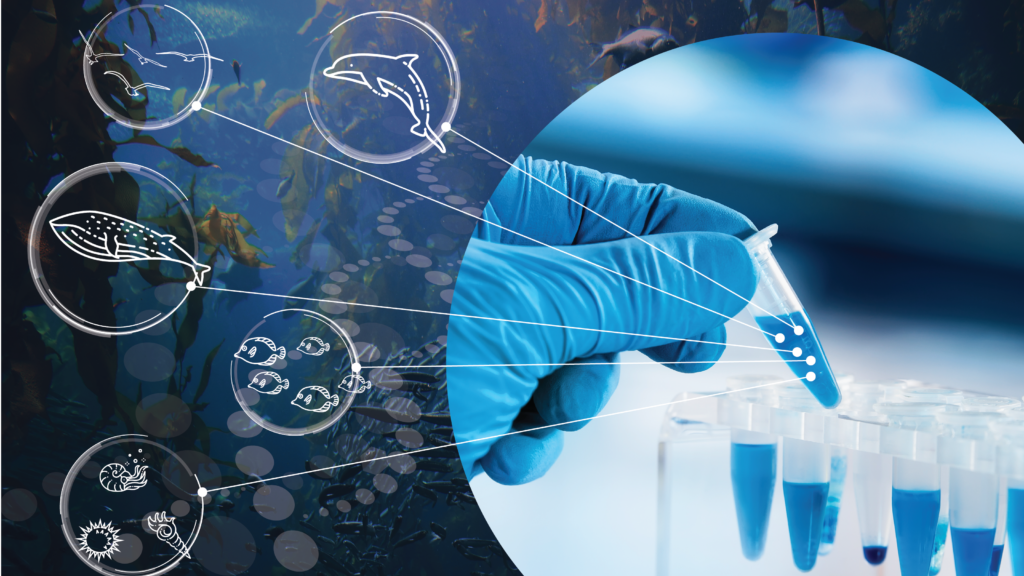
Fugro addresses this challenge using environmental DNA (eDNA), a non-invasive approach that turns seawater into a source of biodiversity intelligence. By analyzing genetic material shed by marine organisms, eDNA delivers a faster and more complete view of species presence and ecosystem health. Integrated with remote survey platforms and automated sampling, the approach reduces vessel time, lowers emissions, and enables environmental assessments to be carried out more efficiently with less offshore exposure.
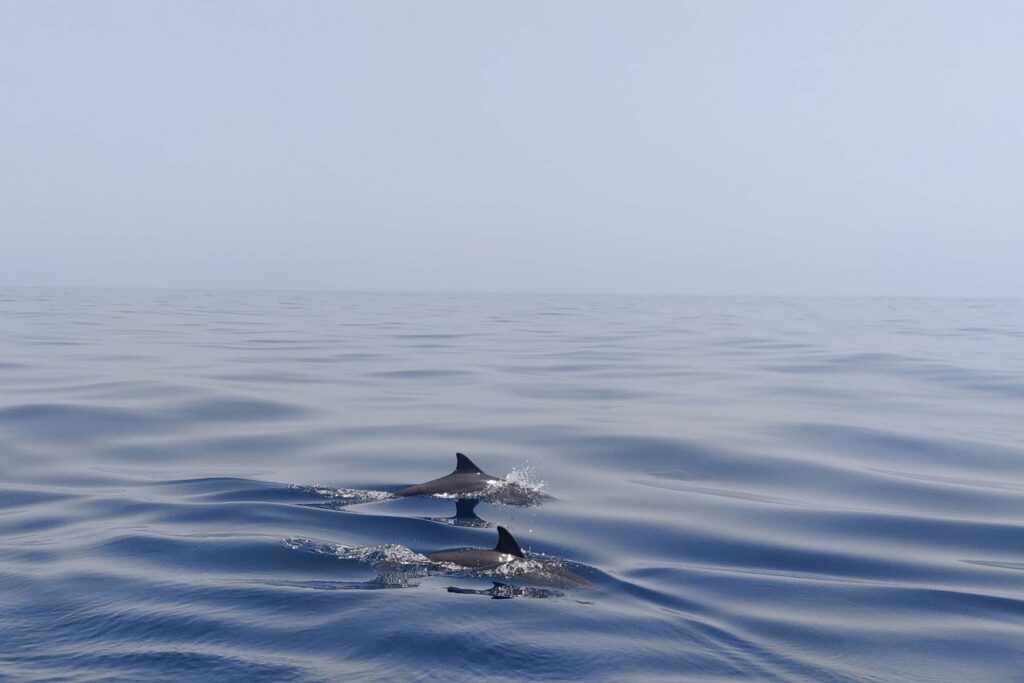
Dolphins playing in the water near the Panna field, offshore India
How it Works
As organisms interact with their surroundings, they leave behind DNA fragments — cells, mucus, waste, and even breath — that persist in seawater. Fugro's teams collect and preserve samples using documented, quality-controlled sampling protocols integrated with remote survey technologies, allowing biodiversity information to be gathered alongside other environmental datasets during offshore operations.
Advancements in automated sampling technology enable eDNA samples to be collected at pre-programmed intervals, allowing temporal changes in biodiversity to be detected over time. Once collected, samples undergo genetic sequencing and bioinformatics analysis to identify taxonomic groups, assess ecosystem composition, and detect change.
Proven Expertise
Fugro's eDNA solution is established internationally through collaboration with leading molecular analytics firms to accelerate the use of advanced techniques, improve species detection, and strengthen biodiversity assessments. With documented sampling methods and strict quality controls, Fugro delivers results that regulators and stakeholders can trust.
In the Americas, Fugro's eDNA portfolio spans multiple U.S. East Coast offshore wind developments, as well as oil and gas projects in the United States and Latin America.
Benefits for Operators & Workforce
The ESG impact of Fugro's eDNA services is measurable. Reduced vessel time directly translates into lower carbon emissions, while non-invasive sampling enables insights across a broad range of marine organisms, including rare or difficult-to-observe species, improving biodiversity data quality and operational efficiency.
eDNA projects also bring together marine operations specialists, molecular biologists, and data scientists, creating interdisciplinary teams that attract new talent. Many of these roles are shore-based, increasing accessibility and flexibility and supporting retention.
Fugro's eDNA technology supports long-term environmental performance across offshore energy markets. By improving biodiversity data quality, enabling repeatable monitoring, and simplifying logistics, eDNA aligns environmental stewardship with operational realities.
Oceaneering Advancing Sustainable Offshore Operations Through Technology, People, and Responsibility +
Advancing Sustainable Offshore Operations Through Technology, People, and Responsibility
As offshore energy projects grow in complexity and operate in increasingly challenging environments, sustainability is becoming inseparable from operational performance. Safer execution, efficient use of resources, and responsible engagement with people and communities are no longer parallel objectives. They are interdependent.
Oceaneering approaches sustainability as an operational discipline. Across its global footprint, the company integrates technology, workforce practices, and locally driven initiatives to reduce risk, limit offshore exposure, and support long-term value for clients, employees, and host communities. Rather than treating sustainability as a standalone program, Oceaneering embeds it into how offshore work is designed, planned, and delivered.
Underpinning this approach is a broader industry shift toward digitalization, remote operations, and intelligent systems. Digital engineering, simulation, and data-driven workflows allow offshore activities to be planned with greater precision, risks to be identified earlier, and decisions to be supported by real-time insight. As these capabilities mature, more work can be executed or supervised from onshore locations, reducing offshore personnel exposure while maintaining operational control.
Technology That Enables Safer, Lower-Impact Operations
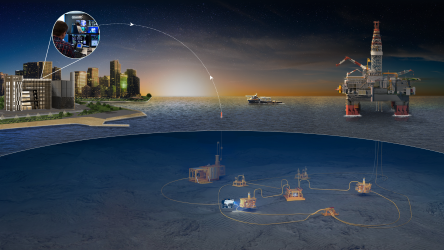
A central element of Oceaneering’s sustainability approach is the use of technology to reduce offshore exposure while maintaining high levels of operational performance. Remote and resident subsea systems are enabling a shift from vessel-intensive campaigns toward continuous, remotely supported operations.
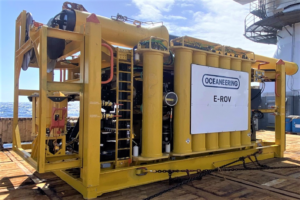
The Liberty™ Resident System reflects this transition. Designed for subsea resident deployment, Liberty supports inspection, monitoring, and intervention activities without requiring frequent vessel mobilizations. By enabling assets to remain subsea while being supervised and supported remotely, the system reduces offshore personnel exposure and limits the environmental footprint associated with repeated vessel activity.
New remote services enabled by Liberty further extend these benefits. Operational data can be accessed and analyzed from onshore locations, allowing teams to assess asset condition, plan interventions, and respond to emerging issues without immediate offshore deployment. This operating model enhances safety while improving efficiency by enabling globally distributed expertise to be applied consistently across regions.
Resident systems such as Liberty also support a more flexible approach to offshore execution. Vessels can deploy the system, pursue other project objectives, and return when required. This approach compresses project schedules, reduces vessel time on site, and supports sustainability objectives by potentially lowering fuel use and associated emissions, while maintaining confidence in subsea asset performance.
Simulation-Driven Planning, Training, and Risk Reduction
Alongside remote and resident operations, Oceaneering has established simulation as a core capability for improving safety, efficiency, and workforce readiness. Oceaneering’s physics-based subsea simulation platform enables complex tasks to be planned, tested, and rehearsed onshore in a virtual environment that closely mirrors real underwater conditions.
Developed by Oceaneering engineers and operators with deep experience in ROV and AUV operations, the simulation platform integrates real-world physics with control system emulation to support vehicles, manipulators, sensors, and tooling. This capability allows engineering teams and operations personnel to validate procedures, tools, and mission plans before offshore execution, helping identify hazards and operational risks early in the project lifecycle.
Onshore planning and testing with simulation reduces offshore trial-and-error and improves vessel efficiency. Operational sequences can be optimized, contingencies evaluated, and task execution refined in advance, contributing to safer execution and reduced offshore exposure. The platform has been applied for clients across global regions, supporting a wide range of complex subsea challenges through bespoke engineered solutions.
Simulation also plays a critical role in training and competency development. Realistic mission scenarios allow pilots and crews to practice complex or infrequent tasks in a controlled environment, supporting consistent skill development and operational readiness. Simulation further enables the generation of high-fidelity synthetic data for autonomy development, reducing the need for live offshore trials and contributing to lower environmental impact.
Together, simulation-driven planning and resident operations allow offshore activities to be validated onshore and executed with greater confidence, strengthening safety, efficiency, and sustainability outcomes.
Safety, Health, and Workforce Wellbeing
Technology is most effective when supported by a strong safety culture. Employee safety remains a foundational priority at Oceaneering, reinforced through established health, safety, and environmental systems and leadership engagement across operations.
In Europe and North America, wellbeing efforts also include initiatives focused on women’s health, heart health, cancer awareness, and mental health fundraising. Together, these programs reflect a holistic approach to workforce wellbeing that supports both individual health and operational resilience.
Inclusion and Capability Development
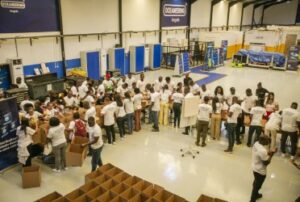
Sustainable offshore operations depend on a skilled and engaged workforce. Oceaneering supports workforce inclusion through employee development, engagement, and representation, with Employee Resource Groups (ERGs) playing an active role across regions.
These groups — such as the Oceaneering Women’s Network, Veteran’s Network, Pride Network, Neurodiverse Employees Network, and other region-specific ERGs — provide platforms for mentorship, peer support, and leadership engagement. The Oceaneering Women’s Network delivers programming focused on professional development, communication, health, and wellbeing, including leadership sessions and STEM outreach.
Early career development is supported through internships, school visits, and STEM education initiatives across the United States, the United Kingdom, Latin America, and India. These efforts introduce students and early career professionals to technical and engineering pathways, supporting long-term workforce capability across offshore and subsea disciplines.
Community Engagement With Local Relevance
Oceaneering’s social responsibility efforts extend into the communities where it operates, with an emphasis on locally driven engagement shaped by regional needs.
In India, Project RIPPLE, implemented with Deepalaya, supports education and community health across multiple regions through remedial education, school infrastructure improvements, sanitation support, health camps, menstrual health management, nutrition awareness, and community outreach.
In Guyana, initiatives have supported children with autism and neurological disorders through local partnerships. In Angola, employees have led food distribution efforts, health awareness activities, shoreline cleanups, and the distribution of energy-efficient cooking equipment. Across Europe and the United States, employees participate in veteran support, disaster response, food security, community gardening, and STEM education initiatives.
Environmental Responsibility Through Everyday Action
Environmental protection at Oceaneering is driven by practical, employee-led initiatives that focus on awareness and behavior change.
In India, Earth Month and Environment Week activities promote waste reduction, energy conservation, and mindful consumption through learning sessions and simple challenges. In Brazil, Environment Week initiatives emphasize conscious consumption, water reuse, and reducing single-use plastics through everyday actions such as reusable cup programs.
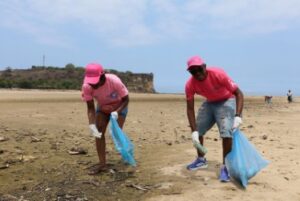
In Angola, shoreline cleanups and community outreach address marine pollution, while the distribution of energy-efficient cooking equipment supports reduced pressure on natural resources. Together, these efforts demonstrate an approach to environmental responsibility that is embedded in daily work rather than treated as a separate obligation.
In parallel, the company is advancing measurable reductions in Scope 1 and Scope 2 emissions in line with its 2030 targets and climate-related disclosures.
Operational measures such as installed fuel monitoring systems on owned vessels, including the Ocean Evolution, enable improved tracking of fuel consumption and identification of efficiency opportunities. Vessel-level data supports implementation of Shipboard Energy Efficiency Management Plans (SEEMP), contributing to reduced diesel consumption per engine run-time.
Across facilities, actions such as transitioning to LED lighting, upgrading HVAC systems, purchasing Renewable Energy Certificates (RECs), reviewing forklift utilization, and increasing renewable energy use directly support reductions in electricity and natural gas consumption. In Brazil, the use of E100 fuel in on-road vehicles further contributes to lower carbon intensity where feasible.
These operational improvements, together with technology-enabled solutions that reduce vessel time and offshore exposure, support Oceaneering’s broader decarbonization objectives.
An Integrated Approach to Innovation and Workforce Excellence
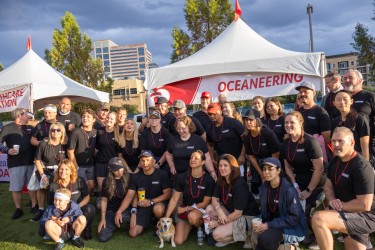
Across technology, workforce development, and community engagement, Oceaneering’s approach to sustainability reflects integration rather than isolation. Remote and resident subsea systems reduce offshore exposure; simulation strengthens planning and training; and employee-led initiatives support safe, inclusive, and responsible operations across regions.
These efforts align innovation with workforce excellence. Digital tools, remote services, and simulation-based training enable work to be executed with greater precision while expanding access to expertise and supporting consistent competency development. At the same time, locally driven social and environmental initiatives ensure that sustainability remains grounded in people and everyday actions.
As the offshore energy industry continues to evolve, sustainability is increasingly defined by how effectively organizations apply innovation to strengthen safety, efficiency, and workforce capability. Through its technologies and its people, Oceaneering continues to support offshore operations that are safer, more efficient, and better prepared for the future of the ocean industry.
OEG Offshore Committed to a Sustainable Energy Future +

OEG: Committed to a Sustainable Energy Future
OEG is a leading energy solutions business providing mission critical infrastructure assets, technologies, and services to the global energy industry.
As their business continues to grow through acquisition and expansion, OEG is equally focused on decarbonizing operations, reducing emissions, enhancing energy efficiency, and shifting to greener practices across their footprint.
The OEG cargo logistics division remains central to this mission, providing safe, dependable, and efficient support to the development, construction, and operation of energy infrastructure worldwide. In parallel, the renewables segment specializes in delivering lifecycle technical solutions for the global offshore wind market, enabling sustainable energy development across the energy chain.
OEG North America — Regional Center of Excellence
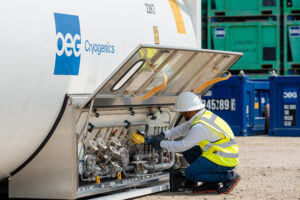
OEG supports North America’s energy sector with reliable containerized equipment solutions that deliver efficiency and reliability. The OEG North America team is dedicated to quality, service, innovation, and operational excellence, offering the region’s widest selection of cargo logistics containers and tanks, ISO-certified cryogenic tanks, BLUEMANTA well completion equipment, and ENVIROPAK waste management equipment to support our customers’ evolving requirements.
OEG believes that doing good is good business, and ESG is woven into everything they do — from protecting the environment to investing in the development of disabled members of our community. As their social impact grows, so does OEG’s reputation and performance. In a world that values sustainability and inclusion, OEG is proud to be a company that leads with purpose and is recognized for making a difference.
Asset Circularity
Asset circularity is a fundamental principle throughout OEG and can be demonstrated in their approach to CCU lifecycle. At OEG, maintaining the integrity of assets is paramount to ensuring fleet safety and reliability. They achieve this through statutory inspections and preventative maintenance programs, keeping the fleet operationally ready.
OEG takes pride in their robust maintenance and repair processes, which are critical in supporting longevity of assets. Their CCUs, certified to industry standards such as DNV 2.7-1, BS EN 12079-1, and ISO 10855, guarantee quality construction, safe lifting performance, and operational suitability. With an average fleet age of around 10 years, the goal is to extend their lifespan beyond 20 years through proactive maintenance and repairs.
OEG’s use of its data platform provides lifecycle management, tracking asset movements, repairs, and certifications. In practice, many of OEG’s assets already exceed these benchmarks, delivering safe, reliable, and efficient performance through multiple redeployments across industries and geographies. This inherent reuse further strengthens the circularity of the OEG fleet and maximizes long-term value.
OEG takes a proactive approach to asset integrity with a focus on preventative maintenance. Their skilled workforce handles tasks like seal replacements on returned units to keep the fleet in optimal condition.
A Custodian for Coastal Environments
OEG’s Recycle the Gulf program, part of their commitment to social responsibility, helps to ensure that recyclable materials are processed and transported responsibly. The program helps companies reduce and separate the volume of waste produced offshore. OEG provides deposit bins onshore to collect waste recycled offshore, then collects, grades, and accounts for the volume of recyclable waste received from each company. All recyclables are donated to Arc of Iberia, an organization which benefits disabled individuals in the community.
Enabling Safe & Sustainable Energy
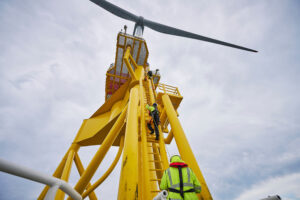
OEG plays a critical role in supporting the production of the world’s energy needs whether that be electricity, gas, or oil. Across all the core OEG markets, the focus remains on enabling the safe and reliable extraction of natural resources while minimizing environmental impact and advancing the development of clean and sustainable energy solutions.
Within the renewables sector, OEG has vast experience, having been involved on over 97% of offshore wind farm developments undertaken to date. Today, they deliver stand-alone and integrated scopes of work to support the lifecycle of offshore wind developments, bringing significant economies of scale and cost efficiencies to the most complex projects.
OEG works with some of the world’s leading offshore developers, supporting them as they expand into new markets — including Taiwan and the USA.
Skills Development
Through OEG’s training center, they offer a range of industry-recognized programs, including Global Wind Organisation (GWO) courses, IRATA Rope Access, ICATS Painter Blaster, and other specialist certifications. In 2025, the center delivered over 6,000 courses for individuals and organizations in the renewable energy sector. OEG is very proud to be one of the few training providers certified to deliver a military transition training package.
As the energy industry continues to transition, OEG’s investment in specialist training helps ensure the workforce keeps pace — not only with the volume of new projects, but with the complexity of such a demanding environment.
Social Responsibility
OEG’s global CSR Committee is made up of OEG employees from throughout the company. It empowers employees to take the lead in creating positive change in their local communities and workplaces. The Committee prioritizes activities that encourage community involvement through volunteering, partnerships, and skills-based programs, and tracks and reports on the impact of these initiatives. By forming this Committee, OEG is encouraging collaboration and the sharing of ideas across regions.
Promethean Energy Preparing the Workforce for the Future Through Environmental Stewardship and Digital Innovation +

Preparing the Workforce for the Future Through Environmental Stewardship and Digital Innovation
Promethean Energy is a Late- to End-of-Life Operator in the Gulf of America. The company is committed to the safe, compliant, and environmentally responsible retirement of offshore infrastructure while leveraging advanced technology to enhance operational performance. Through an integrated operator/service model, Promethean delivers fit-for-purpose solutions that prioritize safety, regulatory compliance, and environmental stewardship, while providing permanent liability resolution for clients across the offshore energy sector.
The offshore industry faces a significant and growing environmental and operational challenge. Approximately 14,000 unplugged wells remain in the Gulf of America, representing an estimated $30 billion in environmental and financial liability. These aging assets pose ecological, safety, and regulatory risks that require coordinated action, specialized expertise, and a highly capable workforce to address safely, efficiently, and cost-effectively. While the industry possesses the technical experience to meet these challenges, long-term success depends on attracting, developing, and retaining the next generation of skilled professionals.
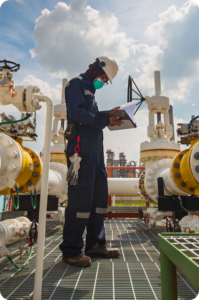
Promethean Energy’s Environmental, Social, and Governance (ESG) strategy is designed to address this dual imperative: protecting the environment while preparing the workforce for the future. The company integrates sustainability into every aspect of its operations, minimizing waste, reducing emissions, and ensuring responsible asset retirement through advanced decommissioning practices. At the same time, Promethean is investing in digital transformation and workforce development to build a talent pipeline capable of meeting the evolving needs of the offshore sector.
Promethean’s ESG framework is anchored in four strategic thrusts:
- Operations / Project Excellence
- Integrated Data Management
- AI-assisted Late- to End-of-Life management
- Technology Integration
These pillars enable safer operations, better decision-making, and more efficient project execution. By deploying advanced technologies such as drone inspections, visual AI monitoring (T-Pulse), digital twins, and proactive safety analytics through its partnership with Detect Technologies, Promethean enhances situational awareness, reduces operational risk, and strengthens environmental compliance across its decommissioning projects. These tools support real-time monitoring, faster anomaly detection, and more consistent regulatory reporting, contributing to improved safety and environmental outcomes.
A core component of Promethean’s ESG strategy is workforce development, with a specific focus on engaging Generation Z — the first true generation of digital natives. This cohort is characterized by strong environmental values, a desire for meaningful work, and expectations for technology-enabled workplaces. Promethean has aligned its talent strategy with these priorities by offering early-career professionals the opportunity to work on high-impact environmental projects while applying digital tools and innovative technologies to real-world offshore challenges.
Sustainable offshore decommissioning provides a compelling value proposition for young professionals seeking purpose-driven careers. By participating in projects that directly address environmental risk, regulatory compliance, and long-term ecosystem protection, new hires gain a sense of mission while developing practical engineering, data, and operational skills. The integration of automation, data analytics, and AI further enhances this appeal by allowing graduates to contribute immediately to process improvements, safety enhancements, and performance optimization.
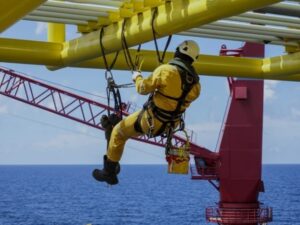
Promethean’s recent recruitment of two graduates from top-tier universities — a Project Engineer and a Systems Engineer — demonstrates the effectiveness of this approach. Both individuals brought diverse academic backgrounds and early-career experiences but shared a common strength: digital fluency. Rather than adopting traditional, manual workflows, these new hires were empowered to “leapfrog” directly into digitalization.
Working alongside a Senior Project Engineer and the company’s Digital Lead, the graduate engineers helped implement automated systems, integrated data platforms, and streamlined compliance tools. Within just two months of their onboarding, the team delivered measurable improvements in operational efficiency, cross-functional integration, regulatory compliance processes, and offshore-to-onshore collaboration.
Key outcomes included:
- Reduction in manual data entry and spreadsheet-based workflows
- Improved real-time visibility into offshore operations
- Enhanced safety monitoring through AI-enabled tools
- Streamlined regulatory documentation and reporting
- Stronger collaboration between offshore and onshore teams
By centralizing data and standardizing digital processes, Promethean created a collaborative platform that improved decision-making, reduced operational risk, and supported consistent compliance with regulatory requirements. These advancements illustrate how investing in digitally native talent can accelerate ESG performance while delivering tangible business value.
From an environmental perspective, Promethean’s workforce strategy directly supports the safe and responsible retirement of aging offshore infrastructure. Advanced monitoring technologies, combined with skilled personnel, enable more precise risk assessments, better planning, and safer execution of decommissioning activities. This reduces the likelihood of environmental incidents, minimizes waste, and ensures that legacy assets are permanently and responsibly decommissioned.
The company’s approach also supports long-term industry sustainability by developing a new generation of offshore professionals with broad, transferable skill sets. Graduate hires gain exposure to engineering, digital systems, regulatory compliance, safety management, and environmental stewardship. This multidisciplinary experience prepares them for future leadership roles while strengthening the industry’s overall talent base.
Promethean’s ESG strategy demonstrates that environmental responsibility, operational excellence, and workforce development are mutually reinforcing objectives. By aligning technology investments with people development, the company is building organizational resilience while contributing to the broader goals of the offshore energy sector.
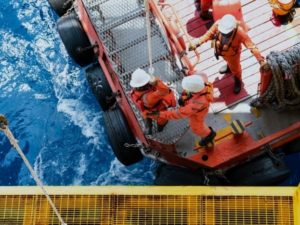
Importantly, Promethean’s model shows that doing what is best for the environment can also strengthen talent attraction and retention. Young professionals are increasingly drawn to organizations that demonstrate genuine commitment to sustainability, innovation, and social responsibility. By positioning offshore decommissioning as a mission-driven, technologically advanced field, Promethean is helping reshape perceptions of the offshore industry among early-career talent.
This approach benefits not only the company but the industry as a whole. As experienced personnel retire, the offshore sector must ensure that critical knowledge, technical expertise, and safety culture are transferred to the next generation. Digital tools play a key role in this transition by capturing institutional knowledge, standardizing processes, and enabling data-driven decision-making.
Promethean’s integrated operator/service model further strengthens this transition by ensuring that decommissioning projects are designed and executed with both operational and environmental considerations in mind. The company’s emphasis on fit-for-purpose solutions, regulatory alignment, and permanent liability resolution supports long-term environmental protection while maintaining cost discipline and schedule certainty for clients.
In conclusion, Promethean Energy’s ESG strategy provides a scalable model for preparing the offshore workforce for the future. By combining environmental stewardship, digital innovation, and purpose-driven workforce development, the company is addressing one of the industry’s most significant challenges: the safe and responsible retirement of aging offshore infrastructure.
Through targeted recruitment of digital-native talent, investment in advanced technologies, and a strong commitment to sustainability, Promethean is building a workforce capable of delivering safer operations, stronger environmental outcomes, and long-term industry resilience. This integrated approach ensures that the offshore energy sector remains both environmentally responsible and well-positioned to meet the demands of the future.
RTI Offshore A Faster, Safer, Lower-Cost Path to Decommissioning +
RTI Offshore: A Faster, Safer, Lower-Cost Path to Decommissioning
RTI Offshore has introduced a closed-loop topside decontamination solution that delivers faster execution, improved safety, and predictable costs for offshore decommissioning.
Decommissioning platforms has long been a challenge for operators. Many older shelf facilities were never designed with end-of-life considerations and now sit in various states of deterioration, often with limited utilities to support safe removal. As ownership shifts due to bankruptcies, these “boomerang platforms” frequently return to original operators — creating a costly, non-producing liability. Traditional approaches rely heavily on time-and-materials (T&M) methods, creating uncertainty around schedule, cost, safety exposure, and environmental impact.
Instead of defaulting to dangerous and costly methods, RTI Offshore’s approach addresses these issues head-on, offering a modernized, fully contained, and highly predictable alternative for decontamination.
A Solution Designed for Offshore Realities
Traditional cleaning and decontamination methods result in slow LEL reduction, high-risk confined space entry, unpredictable T&M invoices, and mountains of waste to manage offshore.
RTI Offshore’s engineered solution replaces these risks by combining engineered systems, proprietary chemistry, and a safety-first design:
- Closed-Loop Rumble™ Circulation: A low-energy mechanical circulation system mobilizes solids and fouling without sending anyone inside a vessel. This eliminates confined space entry entirely.
- Vaporganic™ Vapor-Phase Chemistry: Instead of flushing equipment for days, vapor-phase chemistry reaches every internal surface — including hard-to-access internals — to break down hydrocarbons and drop LEL levels rapidly, typically achieving 0% LEL within 12 hours.
- Engineered Header System: Rather than open drains scattered across the deck, RTI Offshore provides a single controlled effluent outlet, reducing waste by up to 80% and eliminating open containment.
- Predictable Execution: RTI Offshore delivers the work on a lump-sum basis, shifting cost and execution risk off the operator and removing the guesswork associated with traditional T&M flushing.
This isn’t a modification of current practices — it’s a fundamentally different process designed specifically for end-of-life offshore assets.
Measurable Advantages
Safety: Remove the Highest-Risk Work
- Zero confined space entry
- Greater than 50% reduction in flanged connections
- Fewer workers on board, fewer touchpoints, and fewer exposure points
- Fully contained system equals cleaner decks and lower environmental risk
Speed: Faster LEL Clearance & Shorter Campaigns
- Vapor-phase chemistry reduces LEL up to 83% faster
- Total project duration reduced by 70–75%
- Downstream activities start days — or weeks — earlier
Cost Certainty
- Lump-sum pricing eliminates T&M unpredictability
- Faster timelines reduce vessel costs and POB requirements
- Waste reduction lowers transportation and disposal expenses
Lower Environmental Impact
- Up to 80% less waste
- Single, controlled discharge point
- Fewer barrels shipped, handled, stored, or backloaded
RTI Offshore shifts decommissioning from a risky, drawn-out campaign into a controlled, predictable process.
Project Success Story
On a deteriorating platform in the Vermilion block, the operator and their project management partner brought in RTI Offshore for a head-to-head trial with traditional cleaning methods — and the impact was immediate.
Instead of sending teams into vessels, RTI Offshore paired its closed-loop circulation system with vapor-phase chemistry — an engineered combination that breaks down hydrocarbons and loosens inorganic foulants deep within the internals of separators, exchangers, and other equipment. Rather than relying on brute-force flushing or manual vessel entry, the system delivered targeted, controlled cleaning optimized for speed and safety. With the engineered header system installed, all effluent was routed through a single, predictable outlet — no open drains, tarps, makeshift containment, or deck-wide cleanup requirements. Just one consolidated, predictable flow path.
For the RTI Offshore scope, LEL levels dropped to safe thresholds within hours. Confined space entry was eliminated entirely. Waste volumes were significantly reduced. Work packs that typically took days to clean were completed in a fraction of the time.
By the end of the trial, compared to traditional cleaning methods, the operator saw:
- 70–75% faster execution
- 60% lower total cost exposure
- Zero confined space entries
- Up to 80% less waste
- A cleaner, safer, more predictable operation
The results did more than improve a single project — they reshaped how operators should view decommissioning across their asset base.
A New Path Forward
The backlog of end-of-life offshore platforms continues to grow, and operators are under increasing pressure to retire assets safely, efficiently, and responsibly. Many traditional methods no longer meet that need. RTI Offshore offers a new path — one that replaces risk and uncertainty with engineering, containment, and predictability:
- A fully engineered, closed-loop decontamination system
- Predictable lump-sum pricing
- Faster schedules and reduced POB
- Proven success on real offshore campaigns
- A scalable solution ready for multi-platform decommissioning programs
For operators inheriting aging or distressed assets, this approach provides more than a service. RTI Offshore offers a modern, reliable blueprint for retiring platforms safely, efficiently, and with confidence.
RTI Offshore’s closed-loop approach turns decontamination from a reactive, high-risk activity into a controlled, predictable process. It removes the worst safety exposures, reduces cost and schedule, lowers environmental impact, and restores a sense of control to operators facing massive end-of-life obligations.
A Commitment to Safe, Predictable Offshore Operations
RTI Offshore is built on a simple promise: deliver safer, faster, and more predictable offshore solutions — without surprises. With decades of experience, patented chemistries, and engineered systems that eliminate confined space entry and reduce waste, RTI Offshore gives operators true cost certainty through lump-sum execution and a proven track record built on integrity and safe performance.
The Metals Company Advancing Responsible Deep Sea Nodule Collection +

Advancing Responsible Deep Sea Nodule Collection
As the leading developer of polymetallic nodules in the high seas, The Metals Company (TMC) is advancing a new model for mineral development grounded in science, transparency, and responsible offshore innovation.
Building on decades of American offshore leadership, TMC and its partners are pioneering modern, lower-impact nodule collection technologies. These efforts are underpinned by deep industrial expertise, rigorous environmental research, and a longstanding U.S. regulatory framework that sets a high bar for the responsible development of an offshore critical minerals industry.
Building the World's Most Comprehensive Deep-Sea Dataset
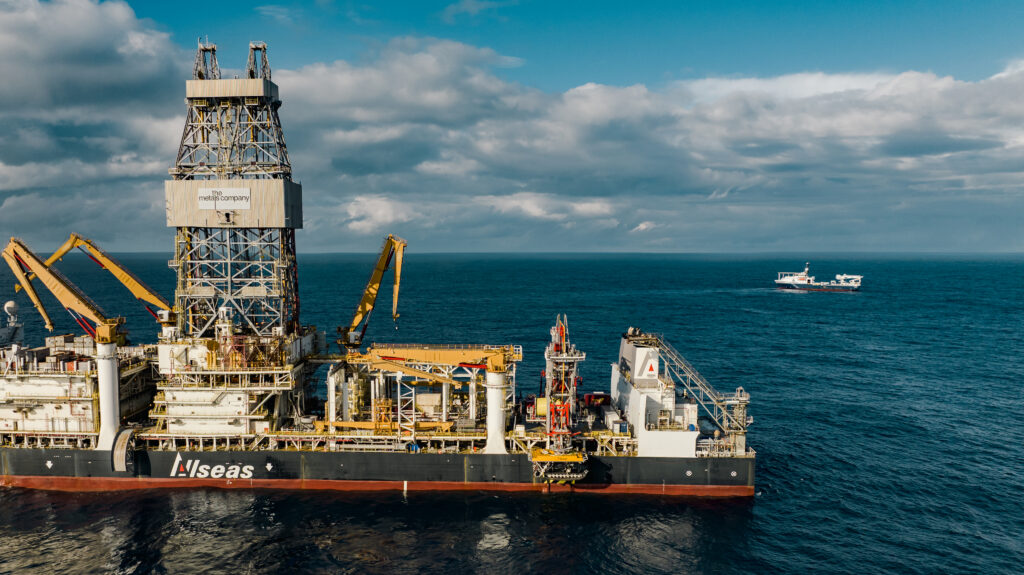
This commitment to responsible development begins with science. Since first commencing its offshore research campaigns to the nodule fields in the Pacific almost 15 years ago, environmental stewardship and technological innovation have been central to TMC's development strategy. The company has invested over $700 million to define a rigorous environmental baseline of its operating environment from seafloor to surface, thoroughly test its collection technology, and assess the resulting impacts.
TMC has partnered with leading research institutions including the University of Maryland, Texas A&M, Florida State, University of Hawai‘i, Eckerd College, and Australia’s national science agency CSIRO, alongside international organizations and independent environmental consultancies to carry out the most comprehensive deep-sea research program in history. Over 100 scientific reports and papers have been produced, with more than a dozen published in peer-reviewed journals. Its work builds on decades of research by the National Oceanographic and Atmospheric Administration (NOAA) and U.S. Geological Survey, including environmental monitoring of integrated test mining campaigns in the 1970s, replicating their experimental design while modernizing data collection through cutting-edge marine sensors, autonomous vehicles, and advanced analytics.
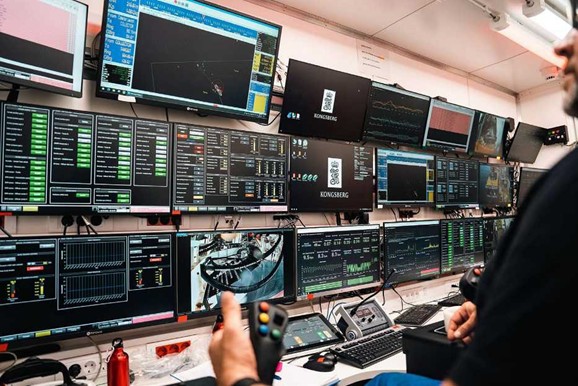
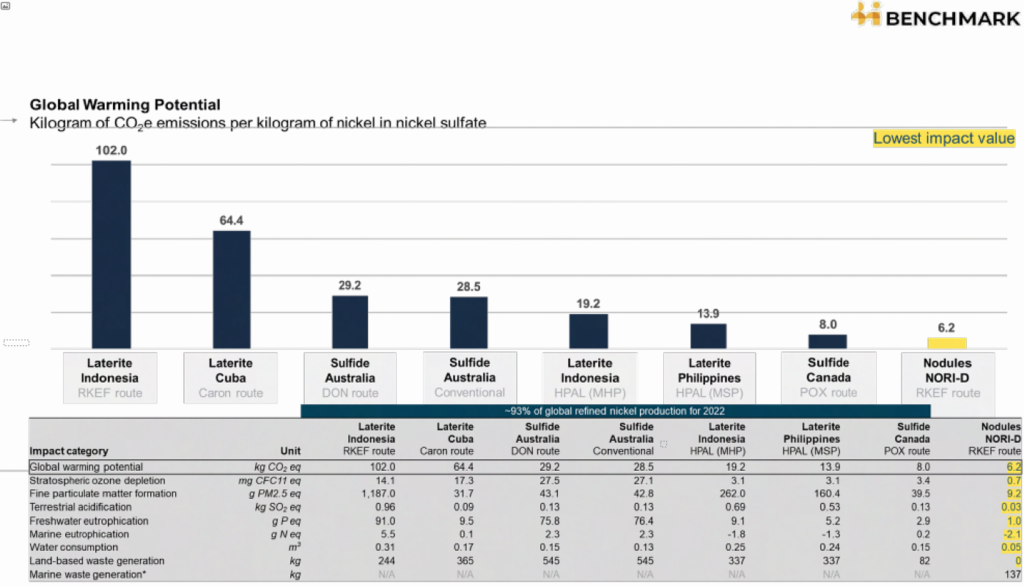
In parallel, TMC has commissioned multiple ISO-compliant lifecycle assessments, at both the resource and project level. These studies have demonstrated the environmental benefits of nodules with increasing specificity, reporting that the company’s proposed operations would outperform most of the major land-production routes for nickel, cobalt, copper, and manganese today — with far lower global warming potential, minimal solid waste, and no tailings — while avoiding deforestation and biodiversity loss associated with terrestrial mining.
Rigorous, Transparent Oversight for Responsible Development
Realizing the potential environmental benefits of deep-sea nodule development depends not only on scientific understanding and technological capability, but on a governance framework that is rigorous, transparent, and grounded in science.
TMC’s activities are governed by long-standing U.S. law. Nearly fifty years ago, the United States enacted the Deep Seabed Hard Mineral Resources Act (DSHMRA), placing deep-sea mineral development directly under NOAA’s authority. Since then, NOAA has completed a programmatic environmental impact statement for the entire Clarion Clipperton Zone in 1981, approved and renewed multiple exploration licenses — two of which remain active today — and developed site-specific environmental assessments, creating a durable foundation for responsible offshore mineral development.
In April 2025, TMC submitted the world’s first application for a commercial recovery permit under DSHMRA, alongside applications for two exploration licenses. Following updates to NOAA’s regulatory framework deemed effective in January 2026, TMC submitted the first ever consolidated exploration license and commercial recovery permit application — a streamlined permitting pathway available only to companies with complete exploration programs.
Recognizing the importance of transparency in a new offshore industry, TMC has worked with an international consortium to develop the first Environmental, Social and Governance (ESG) disclosure handbook for marine minerals, enabling consistent, decision-useful reporting aligned with global standards.
As a NASDAQ-listed company, TMC operates under the oversight of the U.S. Securities and Exchange Commission. In August 2025, the company published two independent economic studies in accordance with Subpart 1300 of SEC Regulation S-K, outlining a combined project value of $23.6 billion. Together, the studies demonstrate both the economic viability of deep-sea nodule development and the potential to scale operations across TMC’s portfolio. Notably, the prefeasibility study’s Technical Report Summary marked a world-first declaration of Mineral Reserves for a polymetallic nodule project.
Beyond regulatory compliance, TMC has embedded its commitment to responsible development through corporate policies on climate change, environmental protection, human rights, health and safety, business ethics, and supplier conduct — providing clear expectations and accountability across its operations and value chain.
Central to this effort is TMC’s partnership with offshore pioneer Allseas, who bring decades of engineering experience to the development of modern nodule collection technologies. Allseas designed and constructed a robotic collector vehicle purpose-built for operations in extreme deep-sea environments, incorporating proven subsea technologies adapted for environmental performance.
Allseas’ collector uses hydraulic flow-lift systems to gently lift unattached nodules from the seafloor without direct contact. Advanced buoyancy and propulsion systems allow the vehicle to move across the seabed with minimal disturbance, while custom-designed diffusers ensure that any mobilized sediment remains close to the seafloor and settles quickly — as confirmed by in-field environmental monitoring.
In 2022, TMC and Allseas conducted the first fully integrated deep-sea mining system test in the Clarion Clipperton Zone since those early American pioneers over half a century ago. The pilot operation recovered more than 3,500 metric tons of polymetallic nodules from the abyssal plain, lifting them up a 4-kilometer-long riser pipe to the surface.
Environmental monitoring during the test was conducted with American and international research partners using a suite of more than 50 sensors to track a range of potential impacts, including sediment plumes. The studies — whose experimental design was developed by MIT — showed that more than 95 percent of sediment settled within one kilometer of the collector’s path, confirming that plumes remain localized and settle quickly, rather than dispersing over vast distances as sometimes claimed.
As TMC and Allseas look to scale the pilot system ahead of commercial production, the companies are exploring ways to further enhance environmental performance and decarbonization solutions including through small modular reactors, reflecting a shared focus on reducing lifecycle carbon emissions.
Remote Resource, Societal Benefits
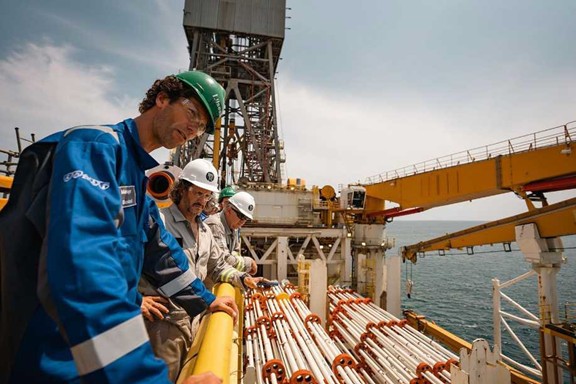
The extreme remoteness of the resource — far from inhabited communities — means the project carries a fundamentally different social impact profile, with impacts expected to be largely positive. At the same time, TMC maintains a strong on-the-ground presence across the Pacific, ensuring these benefits are already being realized.
Through its subsidiaries, TMC supports education and capacity building in the Republic of Nauru and the Kingdom of Tonga. In 2025, it awarded 50 community grants for locally driven initiatives spanning ocean health, environmental protection, women’s empowerment, health, sanitation, and food security. The company also funded 26 secondary and tertiary scholarships and post-university internships focused on building STEM capacity alongside offshore training programs designed to develop local expertise for the emerging industry. Its most recent workforce skills program, currently being delivered in collaboration with the Australian Maritime College, provides young professionals from Africa and the Pacific with training in the use of Autonomous Underwater Vehicles.
Looking ahead to anticipated commercial production in Q4 2027, TMC’s agreements with Nauru and Tonga will provide ongoing financial benefits, reinforcing a model of responsible development rooted in long-term partnership. To this end, Nauru government officials have engaged in meaningful discussions with the U.S. executive branch to ensure their country’s views and priorities are voiced directly.
From Evidence to Execution: Advancing Responsible Critical Mineral Supply
Through science-led exploration, stable regulatory oversight, offshore innovation, and transparent operations, TMC is working to set a clear, evidence-based standard for responsible deep-sea nodule development. The company’s approach reflects the same principles that have guided safe and effective offshore operations for decades, applied to a new source of critical minerals essential to American prosperity, resilience, and security.
The NEED Project Connecting Classrooms to Careers +
The NEED Project: Connecting Classrooms to Careers
NOIA’s work in ESG includes supporting offshore energy education for teachers and students. For over 25 years we have worked with the National Energy Education Development (NEED) Project to provide energy training and offshore energy curriculum to schools. Central to our work is the annual Offshore Energy Workshop hosted at the NOIA Fall Meeting each year. This workshop brings together up to 50 local educators to dive into hands-on exploration of offshore energy exploration, production, and use. Several NOIA members take time to speak to the teachers about their company’s services, technologies, and career opportunities.
NEED programs are designed to meet partner needs for workforce development and community engagement while also meeting the STEM needs of the classroom. Bringing together the energy industry and the classroom provides an opportunity for students, teachers, and families to better understand the energy we use today and will use tomorrow. Some of NEED’s STEM programs include week-long summer experiences for high school students, particularly young women. These experiences provide students the opportunity to engage with energy industry professionals, tour energy industry facilities, and work on a solution to an energy challenge with a small team. Participating students build energy knowledge, life skills, and valuable work skills that will serve them well in trade school or college and beyond into their careers.
NEED celebrated its 45th anniversary in 2025 and continues to grow — adding more teacher and student workshops, new curriculum modules, and new workforce and student engagement programs each year. In 2025:
- 116 sponsored one-day energy workshops for educators
- Attended by 2,416 educators from 1,513 schools across 852 cities, 35 states, and Washington, D.C.
- At least 536,093 students were reached utilizing materials and curriculum presented at the workshop
- Energy pre and post tests given at each workshop, with an average knowledge posttest increase of 93%
- 99% of participating educators would recommend NEED materials to other teachers
- 72% of workshop participants had never attended a prior energy training program before
- NEED was present with hands-on sessions and exhibits at 27 science and education conferences and conventions across the United States
- NEED summer student programs reached 1,500 students in summer camps, weeklong STEM Academies, and workforce skills trainings
NOIA members and other energy partners supporting NEED programming in their local communities include: BP, Charitable Foundation of the Energy Bar Association, CITGO, ConocoPhillips, Interstate Natural Gas Association of America Foundation, Offshore Technology Conference, Phillips 66, Shell, Society of Petroleum Engineers, Vineyard Wind, and Williams.
Look for NEED at OTC and SPE’s ATCE hosting teacher and student workshops with the Offshore Technology Conference and the Society of Petroleum Engineers. In addition, NEED works with the Louisiana and Mississippi Energy Offices to host teacher workshops throughout those states. Come join us for the NOIA Offshore Energy Workshop at the Fall Meeting.
To learn more about NEED visit www.need.org. To discuss working with NEED on an education and workforce development project, contact Executive Director Mary Spruill at mspruill@nullneed.org or 703-257-1117.
RedM Executive Leadership Against Human Trafficking +

RedM: Executive Leadership Against Human Trafficking
RedM is a Houston-based 501(c)(3) organization founded in 2018 with a mission to mobilize industry leaders and professionals in the fight against human trafficking. Operating with a volunteer-driven model and no paid staff, RedM directs its resources toward awareness, survivor support, and partnerships with organizations working on the front lines to combat one of the world's largest criminal enterprises.
At its core, RedM is built on three pillars: resourcing professionals, empowering society, and developing leaders. The organization connects individuals across industries — including energy, finance, legal, and technology — to contribute their time, expertise, and networks through pro bono engagement. This model recognizes that the most valuable contributions to the movement are not only financial, but also the skills, leadership, and influence of engaged professionals.
RedM's impact is driven by its ability to translate awareness into action. Through campaigns, events, and partnerships, the organization educates communities, equips individuals to recognize and respond to trafficking risks, and supports survivor-focused organizations. In 2024, RedM expanded its reach across multiple U.S. cities, mobilized more than 6,000 volunteer hours, and raised nearly $800,000 to support awareness initiatives and partner organizations, contributing to the recovery and protection of trafficking victims and the delivery of essential services to survivors.
A distinguishing feature of RedM's approach is its engagement with industry leadership, including strong participation from the offshore energy sector. NOIA supports RedM's mission, and many executives from member companies are actively involved in advancing its initiatives. Through industry engagement groups and corporate partnerships, RedM has successfully integrated human trafficking awareness into professional networks, leveraging executive influence to expand visibility, drive fundraising, and strengthen collaboration across sectors.
By developing leaders and fostering a community of advocates, RedM is creating a multiplier effect — where individual action scales into collective impact. Its work demonstrates how industry expertise, when aligned with purpose, can contribute meaningfully to addressing complex global challenges.
TGS This is TGS +

This is TGS
For four decades, TGS has built a reputation grounded in environmental stewardship and the responsible development of energy data. As a leading provider of advanced data and intelligence solutions across the energy data value chain, TGS primarily serves the oil and gas industry and supports energy transition sectors such as carbon capture utilization and storage (CCUS), offshore wind, solar, and geothermal. Across marine, imaging, multi-client, and emerging energy activities, the company has consistently demonstrated that safeguarding ecosystems, prioritizing health and safety, and enabling lower-carbon solutions are fundamental to the value it provides.

Representatives for TGS and IBAMA educating future generations about energy sustainability
This commitment is reinforced every day through the values that guide TGS’ people. They are Passionate, bringing curiosity, energy, and innovation to deliver better insights and solutions. They are Results Driven, taking ownership to create lasting impact for clients, communities, and stakeholders. They are Collaborative, building trust through openness, inclusion, and shared success across the global energy value chain. And they are Responsible, holding themselves accountable to high standards of environmental protection, safety, and ethical conduct. These values are demonstrated through actions — reducing emissions from operations, advancing new technologies, strengthening sustainability programs, and supporting clients in producing lower-carbon energy.
Operating around the world, TGS aims to positively impact the communities where it works by promoting economic development and energy security, and by providing jobs, training, and other local resources. The company recognizes the importance of working closely with local communities, indigenous peoples, fishing communities, landowners, and other stakeholders to ensure responsible and respectful operations. Through its enduring commitment to stewardship, collaboration, and innovation, TGS is positioned as a trusted partner at a time when responsible energy development is more important than ever.
Balancing Energy & Ecology: TGS in Brazil’s New Offshore Frontiers
Brazil, with its vast coastline stretching nearly 11,000 kilometers and an Exclusive Economic Zone (EEZ) covering approximately 3.6 million km², has long been recognized as a global leader in offshore oil and gas exploration. Mature basins such as Campos and Santos have historically driven production, particularly with groundbreaking pre-salt discoveries. Today, however, the country is turning its attention to new frontier regions, including the Pelotas Basin in the south and the Equatorial Margin in the north — areas that hold significant promise for future energy development.
Despite their potential, these frontier basins remain relatively underexplored, both geologically and in environmental data. To bridge this gap and support informed decision-making, TGS is pioneering efforts to characterize and monitor these regions as part of its environmental permitting commitments. Through advanced seismic surveys, environmental baseline studies, and integrated data solutions, the company is helping to build a clearer picture of the Pelotas and Equatorial Margin basins. This work is critical to ensuring that exploration progresses responsibly, balancing energy opportunities with environmental stewardship.
By combining TGS’ proven offshore expertise in Brazil and globally with new scientific insights, the company is helping Brazil position itself to develop new reserves while maintaining a strong commitment to sustainability and strengthening energy security. The Pelotas and Equatorial Margin basins could become the next chapter in Brazil’s offshore success story, driven by data innovation and rigorous environmental monitoring.
From advanced offshore acquisition technologies to industry-leading HSE performance, TGS’ long track record reflects a clear understanding that sustainable practices are inseparable from operational excellence. The company strives to lead the industry in minimizing potential impacts on biodiversity and ecosystems and is dedicated to continually improving environmental programs and standards across all areas of operation. With a forty-year legacy of delivering high-quality data while protecting the environments in which it operates, TGS continues to support the energy the world depends on in a safe, efficient, and sustainable way.
TGS’ efforts in these new frontiers include seasonal marine environmental monitoring campaigns that employ visual, acoustic, drone, and photo identification techniques, as well as telemetry, biopsy sampling, and beach monitoring. Importantly, these projects invest in building and strengthening local expertise, ensuring long-term local monitoring capacity, and empowering communities to participate in conservation and research.
One of the notable recent outcomes from TGS’ efforts has been the launch of the Manatee Rehabilitation and Release Initiative, led by Brazil’s environmental agency, IBAMA. Inspired by beach monitoring programs in the Equatorial Margin, the initiative aims to rescue, rehabilitate, monitor, and release more than 60 manatees in Northern Brazil — an ambition that made significant progress in 2025 with the addition of several new manatees at the rehabilitation center.
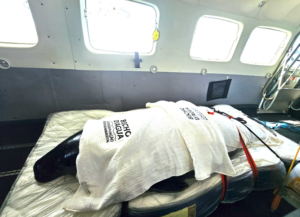
Adria, the first manatee successfully transported to the acclimatization facility.
This initiative underscores Brazil’s commitment to biodiversity conservation and to protecting the two endangered manatee species in the region, which are threatened by hunting, habitat loss, and boat collisions. In November, TGS, in partnership with local institutions, inaugurated Recinto Omar (Omar Enclosure), the first manatee acclimatization facility on the Pará coast in Soure, Marajó Island. The 500 m² site supports the final rehabilitation stage for rescued manatees before their return to the wild.
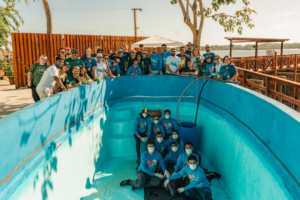
The rehabilitation team with Adria, the manatee.
To ensure adaptation and survival, the reintroduced manatees will be monitored with tracking devices, enabling researchers to study their movements and integration into the ecosystem. This effort not only strengthens species recovery and data but also highlights the importance of collaboration between government agencies, scientific institutions, and local communities in safeguarding the Amazon’s aquatic life.
Momentum is building, and TGS is leading the way. Following TGS’ actions, IBAMA has begun requiring oil companies to adopt similar measures when seeking new environmental permits in the region. The program goes beyond animal care, incorporating environmental education, enforcement, and infrastructure investments to improve rehabilitation capacity. The scope of the initiative extends from the Lower Amazon region to the mouth of the Amazon River, with the potential to expand even further in the coming years.
Strengthening TGS’ Long-Term Sustainability Vision
TGS is committed to continually strengthening its ESG initiatives and seeking new sustainable solutions across its operations. The company encourages its workforce to innovate and contribute ideas that further enhance environmental and social performance. TGS also remains a dedicated supporter of the UN Global Compact and its 17 Sustainable Development Goals. Later this year, TGS will publish its 2025 Sustainability Report, which will align with the requirements of the EU Corporate Sustainability Reporting Directive (CSRD) to ensure transparent, consistent, and high-quality ESG reporting.
USA Energy Workers Elevating Offshore Energy’s People, Purpose, and Performance +
USA Energy Workers: Elevating Offshore Energy’s People, Purpose, and Performance
USA Energy Workers was founded on a core conviction: America cannot achieve its environmental goals, energy security, or economic strength without honoring and investing in the men and women who power the offshore industry. The mission of USA Energy Workers is to champion energy workers and the companies that employ them by Balancing the 3Es®: Environment, Energy, and Economy in everything the organization does.
USA Energy Workers serves as a trusted, unifying voice for offshore America. The organization connects rigs to boardrooms, classrooms to control rooms, and coastal communities to national policymakers. Through advocacy, education, and collaboration, USA Energy Workers helps the offshore sector demonstrate strong environmental, social, and governance (ESG) performance through the authentic voices of the people who do the work.
1. Who They Are: Built by and for Energy Workers
USA Energy Workers delivers that platform through these primary channels and initiatives:
- The Balancing 3Es® Podcast and Radio Conversations: Discussions featuring offshore energy workers, safety leaders, engineers, innovators, economists, and community partners sharing stories of safety, stewardship, and technical excellence. These extend through radio interviews and earned media to broader audiences.
- Digital Storytelling and Social Media: Short-form videos, energy worker spotlights, and plain-language explanations of ESG and policy topics across LinkedIn, Facebook, X, YouTube, and USAEnergyWorkers.com.
- In-Person Presentations and Coalition Building: Presentations, briefings, and community engagement connecting energy workers, educators, policymakers, and stakeholders interested in balancing Environment, Energy, and Economy. This aligns priorities and inspires the next generation.
- Authored Commentary and Op-Eds: Viewpoints elevating energy workers, highlighting offshore safety and environmental progress, and promoting practical policy solutions grounded in Balancing the 3Es®.
- Royalties to Restoration (ESG Communications Initiative): Launched in 2021, this “buddy system” connects Gulf Coast Coastal Warriors with nationwide stakeholders to show how offshore royalties fund coastal resilience and conservation, including via the Great American Outdoors Act.
- Coalition for Energy, Environmental, and Economic Security: Established by Scott A. Angelle to unite diverse stakeholders for offshore energy development, environmental stewardship, and economic prosperity. Guided by a Memorandum of Understanding, it supports collaborative efforts on federal fiscal analyses, competitiveness, royalty structures, subsea tiebacks, and Gulf of America shallow-water potential.
The USA Energy Workers audience spans energy workers and families, NOIA member companies, policymakers, educators, and citizens seeking honest energy information.
2. Environmental Stewardship: Letting Energy Workers Tell the Real Story
Offshore energy operates under rigorous safety and environmental standards, yet performance is often under-recognized. USA Energy Workers closes this gap by elevating offshore professionals and translating stewardship into plain language.
Consistent with Scott A. Angelle’s message, USA Energy Workers shifts the conversation from defense to offense, emphasizing that environmental progress is driven by innovation, discipline, and accountable operations. Through podcasts, digital content, op-eds, and presentations, it highlights how operators, contractors, and workers pursue improvements that protect the environment while delivering reliable, affordable energy.
USA Energy Workers translates technical progress into relatable narratives. Audiences hear energy workers explain how daily decisions and innovations support safer, cleaner production. This builds public trust.
3. Social Responsibility and Energy Worker Excellence: People First
Offshore energy is about people. USA Energy Workers honors offshore roles and elevates the skill, pride, and responsibility defining these careers.
- Elevating safety culture through frontline voices: USA Energy Workers highlights safety culture via the voices of those who live it, reinforcing accountability, preparation, and mutual care every hitch.
- Supporting energy workers, families, and coastal communities: Offshore life involves demanding schedules, family separation, and mental health pressures. USA Energy Workers raises awareness, offers encouragement, and elevates resources to strengthen families and support safe offshore performance.
- Attracting and inspiring the next generation of energy workers: Through engagement and storytelling, USA Energy Workers helps students, veterans, and young professionals see dignity, purpose, and opportunity in energy careers — including maritime, technical, and skilled trades powering the Gulf of America.
4. Governance and Policy Leadership: A Credible Bridge to Decision-Makers
Good governance demands that the public and policymakers understand the offshore sector. USA Energy Workers brings energy worker-centered context into conversations through solutions-oriented communications grounded in Balancing the 3Es®.
USA Energy Workers provides:
- Practical policy discussions explaining decision impacts on reliability, affordability, environmental performance, investment, and jobs — emphasizing predictable lease sales, stable timelines, competitive fiscal terms, and permitting clarity for responsible development.
- A reliability-first message focused on family outcomes like consistent power and affordable bills, securing the energy chain via resilient infrastructure and clear rules.
- Balanced dialogue respecting science, protecting people, and driving progress through innovation, including emissions reductions. It elevates perspectives from energy workers, community leaders, experts, and stakeholders for practical solutions.
Momentum is fragile. Credible communication keeps focus on effective strategies for progress. Centering on workers and communities with regulatory experience, the message is pragmatic. USA Energy Workers advocates for policy strengthening reliability, advancing stewardship via innovation, supporting wages, and securing America’s energy future.
5. Direct Alignment with NOIA Mission and Objectives
USA Energy Workers supports NOIA’s mission by promoting offshore interests through worker-led storytelling, educating publics and policymakers with accessible content, providing operational context, backing policy for high standards and efficient production, and sharing best practices via the Balancing the 3Es® framework.
Woodside Energy Gulf of America (Shenzi) Methane Study +

Gulf of America (Shenzi) Methane Study
Tackling methane emissions from fossil fuel operations represents a viable near and medium-term opportunity for limiting our carbon footprint. Various methane measurement technologies can be deployed to detect, localize, and quantify methane emissions. These insights inform targeted methane mitigation activities and provide a credible basis for methane emission disclosure through reporting frameworks.
In early 2024, Woodside Energy became a member company of the United Nation's Environment Program Oil & Gas Methane Partnership 2.0 (OGMP2.0). OGMP2.0 is the only comprehensive, measurement-based international reporting framework for the sector.
Following this announcement, Woodside Energy's International Operations team agreed to participate in an offshore methane emissions study in collaboration with the Center for Energy and Environmental Resources, Cockrell School of Engineering, University of Texas at Austin. Although Woodside Energy had previously completed methane emission studies, this was the first opportunity to participate in an offshore study with an academic institution in the United States.
Offshore oil and gas operations' safety, logistical, and technical challenges impact the selection of technologies used for methane emissions measurement. The study considered a variety of commercially available technologies such as satellite, aerial, drone, and handheld devices, which were deployed over the course of five days. Simultaneously testing these commercially available emission detection technologies provided Woodside Energy with an opportunity to compare methods, results, and performance relative to common measurement objectives during consistent facility operating conditions.
The results of the study showed that each technology has unique benefits and challenges:
- Satellites may not be a good option for low emission offshore facilities.
- Aerial surveys were consistent with bottom-up estimates, but HSE challenges exist.
- Drones allow for site and equipment level assessments but are higher cost and require complex planning.
- Laser OGI devices can identify and quantify component-level leaks but can be time consuming. More efficient leak screening methods were developed, which led to identification of emission sources that had not been previously identified.
"Results from this study are encouraging, as they show low methane emissions for an offshore facility can be measured with reasonable accuracy," said Woodside Energy's VP for Gulf of America and NOIA Board Member, Paa-Joe Akoto-Ampaw. "The learnings captured will be foundational to developing a longer-term monitoring, reporting, and verification (MMRV) strategy for Woodside Energy's portfolio of globally operated assets."

Frequently asked questions
What is the NOIA Innovation & Workforce Excellence Report? +
The NOIA Innovation & Workforce Excellence Report is an annual publication from the National Ocean Industries Association showcasing how offshore energy companies are leading on environmental stewardship, workforce development, safety, and responsible operations. The 2026 edition is the sixth annual report.
How do I download the 2026 report? +
The report is available as a free PDF download — no registration required. Use the download button on this page to access the full report instantly.
Which companies are featured in the 2026 report? +
The 2026 edition features case studies from 13 NOIA member companies: Danos, Energy Education Foundation, Fugro, Medical Bridges, Oceaneering, OEG Offshore, Promethean Energy, Refined Technologies, The Metals Company, The NEED Project, TGS, USA Energy Workers, and Woodside Energy.
What is the NOIA ESG Excellence Award? +
The NOIA ESG Excellence Award is presented annually to a member company demonstrating outstanding commitment to environmental, social, and governance performance. The 2025 recipient is Baker Hughes, recognized for its enterprise-wide sustainability approach and nearly 30% reduction in Scope 1 and Scope 2 emissions since 2019.
What offshore energy topics does the 2026 report cover? +
The 2026 report covers six key themes: breakthrough innovation, workforce excellence, security and governance, offshore carbon capture, ESG as risk management, and community and global partnerships. It also includes a guest perspective on ESG from Opportune LLP and highlights from the annual Offshore CCS Symposium.
What is NOIA? +
The National Ocean Industries Association (NOIA) is the only national trade association representing all segments of the offshore energy industry. NOIA advocates for the responsible development of offshore energy resources to meet America’s energy needs while protecting the environment.
Ready to explore the full report?
Essential reading for policymakers, operators, and energy professionals — from ESG risk management to community partnerships and next-generation workforce programs.
No registration required · PDF format · Published 2026